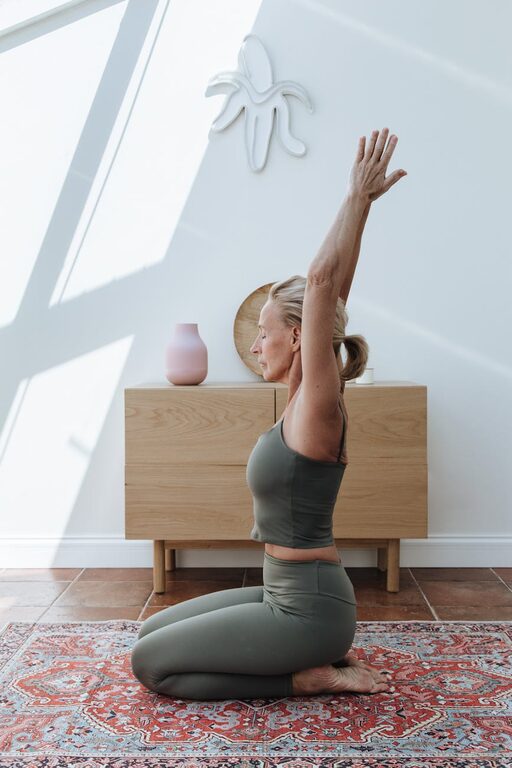
Stretching is a simple yet powerful way to improve your physical health, reduce muscle tension, and increase flexibility. You don’t need any special equipment or gym membership to start stretching — all you need is a little space at home and a few minutes each day. If you’re new to stretching, this beginner’s guide will walk you through the essentials, helping you create a safe and effective routine.
Why Stretching Matters
Stretching plays an important role in maintaining a healthy body. It helps:
– Improve range of motion and flexibility
– Reduce muscle stiffness and soreness
– Enhance circulation
– Lower the risk of injuries
– Promote relaxation and relieve stress
Starting with a gentle routine can make stretching a pleasant habit that makes your body feel better every day.
When and How Often Should You Stretch?
Consistency is key. Ideally, aim for stretching sessions at least 3 to 5 times a week. You can stretch:
– First thing in the morning to wake up your muscles
– Before and after exercise to prepare your body or aid recovery
– In the evening to relax and wind down
Session length can vary, but spending 10 to 20 minutes per session is usually enough to feel benefits without overwhelming yourself.
Safety Tips for Beginners
Before you begin, keep these tips in mind to avoid injury:
– Warm up slightly before stretching, such as walking in place for a few minutes
– Stretch gently without bouncing or forcing your body into pain
– Hold each stretch for about 15 to 30 seconds
– Breathe deeply and steadily while stretching
– Focus on maintaining proper posture and alignment
If you feel sharp or intense pain, stop immediately and consult a professional if needed.
Basic Stretches to Start With
Here are some beginner-friendly stretches targeting common tight areas. Aim to hold each stretch 20-30 seconds and repeat 2-3 times.
Neck Stretch
– Sit or stand tall
– Slowly tilt your right ear toward your right shoulder
– Use your right hand to gently deepen the stretch if comfortable
– Repeat on the left side
Shoulder Stretch
– Bring your right arm across your chest
– Use your left hand to press gently on your right upper arm
– Feel the stretch in your shoulder and upper back
– Switch sides
Chest Opener
– Clasp your hands behind your back
– Straighten your arms and lift your chest while squeezing your shoulder blades together
– Keep your neck neutral
Side Stretch
– Stand with feet hip-width apart
– Raise your right arm overhead and lean gently to the left side
– Keep your hips stable
– Repeat on the other side
Seated Hamstring Stretch
– Sit on the floor with your legs extended
– Gently reach toward your toes while keeping your back straight
– Stop when you feel a comfortable stretch in the back of your thighs
Quadriceps Stretch
– Stand near a wall or chair for balance
– Bend your right knee and hold your ankle behind you
– Keep your knees close together and pelvis tucked slightly under
– Switch legs
Calf Stretch
– Stand facing a wall
– Place your hands on the wall and step one foot back
– Press the heel of the back foot into the floor to stretch your calf muscle
– Repeat with the other foot
Creating Your Stretching Routine
- **Start small:** Focus on 4-6 simple stretches targeting your tightest areas.
- **Warm up briefly:** Take 3-5 minutes to warm your body.
- **Stretch consistently:** Practice stretches at least 3 times per week.
- **Track progress:** Notice improvements in flexibility and comfort over time.
- **Listen to your body:** Modify or skip stretches that don’t feel right.
Stretching Tools You Can Use at Home
While not necessary, a few affordable tools can make stretching more comfortable:
– Yoga mat or soft carpet for cushioning
– Stretching strap or towel to assist with hamstring stretches
– Foam roller to release muscle tightness before or after stretches
Conclusion
Starting a stretching routine at home is one of the easiest ways to improve your physical and mental well-being. With a few simple stretches done regularly, you’ll notice increased flexibility, reduced muscle tension, and improved posture. Remember to move gently, breathe deeply, and enjoy the process. Happy stretching!