
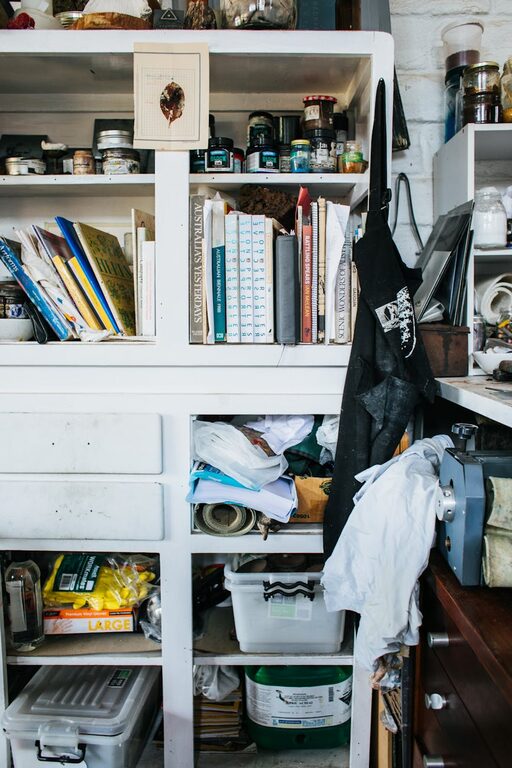
Every parent knows how quickly kids’ art can pile up—from finger paintings and sketches to 3D crafts. While these creative projects hold sentimental value and showcase your child’s imagination, cluttered piles can take over your home. The good news? With a few intentional strategies, you can keep your kids’ art organized, making it easier to enjoy their creations while maintaining a tidy space.
In this post, we’ll explore practical tips and ideas to store, display, and organize children’s artwork in ways that work for both you and your little artists.
Why Organizing Kids’ Art Matters
Before diving into solutions, it helps to understand why organizing your child’s artwork can be beneficial:
– Preserves memories: Keeps your child’s creativity accessible for future reminiscing.
– Reduces clutter: Frees up space and cuts down on mess in your home.
– Boosts pride: Displayed art encourages kids to take pride in their work.
– Simplifies cleanup: Makes tidying up easier with clear systems.
Now, let’s look at some effective ways to organize these precious pieces.
1. Establish a Dedicated Art Space
Create an Art Station
Setting up a specific area where your child creates and stores art supplies promotes organization from the start. You can include:
– An art table or desk
– Storage bins or drawers for supplies
– A bulletin board or display wall
Encourage your child to keep finished projects nearby for review before deciding what to keep or discard.
2. Implement a Display System
Rotate Artwork on Display
Instead of trying to display every piece at once, choose a rotating display method such as:
– Clipboards on a wall: Easily swap new drawings in and out.
– String and clothespins: Hang a line where art can be clipped and changed.
– Frames with easy-open backs: Allows you to showcase a few favorites and update them regularly.
Rotating displays let your child see their most recent work celebrated without cluttering surfaces.
3. Use Portfolios and Binders
Collect Artwork Systematically
Purchase large art portfolios or use oversized binders with plastic sleeves to store flat pieces. Organize them:
– By date or age
– By child, if you have multiple kids
– By type of artwork (paintings, drawings, crafts)
This keeps artwork protected and easy to flip through like a personal gallery book.
4. Create Digital Archives
Photograph or Scan Artworks
If you’re short on storage space, creating a digital archive is an excellent option. Steps include:
– Photograph or scan each piece using a smartphone or scanner.
– Use apps or software to organize images by date or theme.
– Create digital photo books or slideshows you can share with family.
Digital archiving preserves memories forever without taking physical space.
5. Establish an “In and Out” Rule
Manage Artwork Flow
To avoid overwhelming stacks, set limits on how much art you keep. For example:
– Keep only a set number of pieces each month.
– For each new piece saved, one older piece is recycled or gifted.
– Involve your child in choosing their favorites.
This teaches them decision-making and respects the value of their art.
6. Repurpose Art into Gifts or Projects
Turn Art into Unique Items
Kids’ artwork can be transformed into:
– Greeting cards for relatives
– Wrapping paper
– Collages or scrapbooks
– Customized calendars or mugs via online print services
Repurposing art extends its life and shares your child’s creativity beyond your home.
7. Use Storage Boxes for 3D Art and Crafts
Label and Store Handmade Creations
Three-dimensional art pieces and crafts require different storage:
– Use clear plastic bins or labeled boxes for easy identification.
– Place delicate items in tissue paper or bubble wrap.
– Store under beds, in closets, or on shelves.
This keeps fragile projects safe and organized.
8. Involve Your Child in the Process
Make Organizing Fun Together
Let your child be part of selecting and organizing their artwork. This can:
– Empower them to make choices about what to save
– Foster responsibility and pride
– Turn organizing into bonding time
Even young children can help decide which artwork to display or digitize.
Final Thoughts
Organizing kids’ artwork doesn’t have to be stressful or overwhelming. With dedicated spaces, smart storage solutions, and a bit of creativity, you can enjoy your children’s masterpieces while maintaining a neat and welcoming home. Remember, it’s about celebrating creativity and memories in ways that suit your family’s lifestyle.
Try out these tips to find what works best for you. Happy organizing!