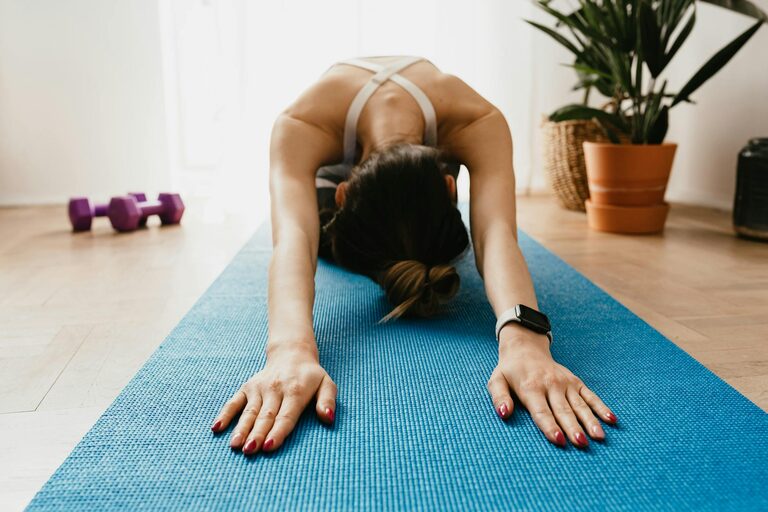
Stretching is a gentle and effective way to improve your flexibility, reduce muscle tension, and enhance overall movement. Whether you’re new to exercise or simply looking to incorporate more movement into your daily routine, stretching at home is an accessible option that requires little to no equipment. This beginner’s guide will walk you through the benefits of stretching, how to get started, and some easy routines you can try today.
Why Stretching Matters
Before diving into stretches, it’s helpful to understand why stretching is important:
– Improves Flexibility: Regular stretching increases the range of motion of your joints, helping you move more freely.
– Reduces Muscle Tension: Stretching relaxes tight muscles, which can alleviate discomfort and improve posture.
– Enhances Circulation: Gentle stretches boost blood flow to muscles, promoting quicker recovery when paired with exercise.
– Prevents Injury: Keeping muscles flexible can reduce the risk of strains and sprains.
– Supports Stress Relief: Stretching encourages mindful breathing and relaxation, which helps reduce stress.
Tips for Stretching Safely at Home
Starting a new routine can feel overwhelming, but following these tips will help you stretch safely:
– Warm up first. Stretching cold muscles may cause injury. Try a few minutes of brisk walking or marching in place to get your blood flowing.
– Stretch gently. Avoid bouncing or forcing your body into uncomfortable positions. You should feel a mild stretch, not pain.
– Hold each stretch for 15-30 seconds. This duration is ideal to allow muscles to relax.
– Breathe deeply and evenly. Don’t hold your breath; focus on slow, steady breaths to maximize relaxation.
– Stretch both sides equally. Remember to balance your routine by stretching both left and right sides.
– Be consistent. Aim to stretch 3-5 times per week to see improvements over time.
Essential Stretches for Beginners
Here are some beginner-friendly stretches that target key muscle groups. You can do most of these while standing or sitting on a chair.
1. Neck Stretch
– Sit or stand tall.
– Gently tilt your head toward your right shoulder until you feel a stretch on the left side of your neck.
– Hold for 20 seconds, then switch sides.
– Repeat twice on each side.
2. Shoulder Rolls
– Sit or stand with your back straight.
– Slowly roll your shoulders forward in a circular motion 10 times.
– Then, roll your shoulders backward 10 times.
– This helps release tension in the upper back and neck.
3. Chest Opener
– Stand tall with your feet hip-width apart.
– Clasp your hands behind your back and gently squeeze your shoulder blades together.
– Lift your chest and hold the stretch for 20-30 seconds.
– Release and repeat twice.
4. Cat-Cow Stretch (Spinal Mobility)
– Get on your hands and knees (tabletop position).
– Inhale and arch your back, lifting your head and tailbone (Cow).
– Exhale and round your back, tucking your chin and pelvis (Cat).
– Repeat slowly 8-10 times, coordinating with your breath.
5. Seated Hamstring Stretch
– Sit on the floor or a sturdy chair with one leg extended forward.
– Keep your back straight as you gently lean forward toward your toes.
– Hold the stretch for 20-30 seconds without bouncing.
– Switch legs and repeat.
6. Standing Quadriceps Stretch
– Stand near a wall or chair for support.
– Bend your right knee and bring your heel toward your buttocks.
– Hold your ankle with your hand and gently press your hips forward.
– Hold for 20-30 seconds, then switch legs.
7. Calf Stretch
– Stand facing a wall with both hands on the wall at shoulder height.
– Step your right foot back while keeping the heel on the floor.
– Bend your left knee slightly and lean forward until you feel a stretch in your right calf.
– Hold for 20-30 seconds, then switch sides.
Creating Your Own Stretching Routine
To build a simple routine:
- **Start with 5-10 minutes.** This is manageable for beginners and can easily fit into a daily schedule.
- **Choose 5-7 stretches.** Include upper body, lower body, and spinal movements for balance.
- **Move slowly and mindfully.** Connect your movements to your breath to deepen relaxation.
- **Progress gradually.** As your flexibility improves, increase hold time or add new stretches.
Here’s an example beginner routine:
– Neck Stretch (both sides) – 20 seconds each
– Shoulder Rolls – 10 forward, 10 backward
– Chest Opener – 30 seconds
– Cat-Cow – 8 rounds
– Seated Hamstring Stretch – 30 seconds each leg
– Quadriceps Stretch – 30 seconds each leg
– Calf Stretch – 30 seconds each side
Additional Tips for Success
– Stay hydrated. Drinking water supports muscle function and recovery.
– Wear comfortable clothing. Loose or stretchy clothes allow free movement.
– Use props if needed. A yoga mat, strap, or towel can assist with certain stretches.
– Listen to your body. Avoid pushing into pain or discomfort.
– Combine with other exercises. Stretching complements walking, strength training, and other activities well.
When to Avoid Stretching
While stretching is safe for most people, avoid it if you:
– Have a recent injury or surgery without medical clearance.
– Experience sharp or severe pain during stretching.
– Suffer from specific medical conditions affecting joints or muscles—in these cases, ask your healthcare provider for guidance.
Final Thoughts
Stretching at home is a simple yet powerful tool to enhance your physical health and well-being. By integrating gentle stretches into your routine, you’ll notice improvements in flexibility, posture, and relaxation. Remember, consistency is key — even a few minutes a day can make a big difference over time. Start slow, listen to your body, and enjoy the many benefits stretching has to offer.
Happy stretching!