
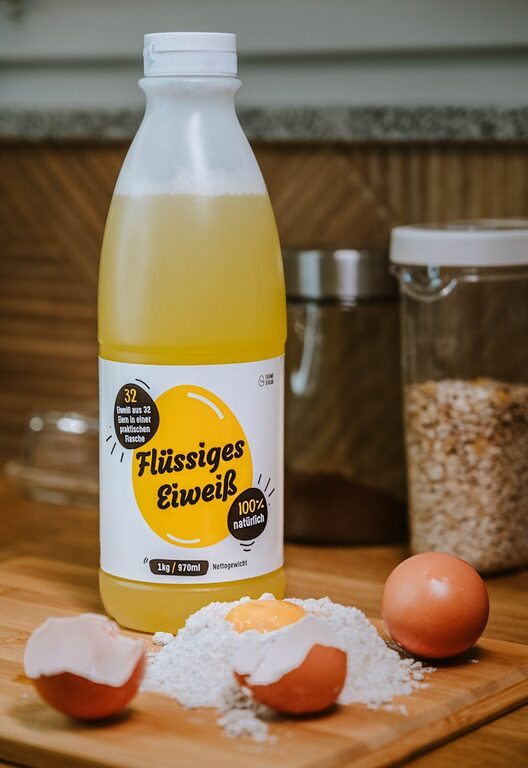
Planning meals from pantry staples is a smart way to create tasty, convenient dishes without frequent grocery trips. Whether you’re aiming to save time, reduce food waste, or manage your food budget more effectively, using the ingredients you already have on hand can be a game-changer. This blog post will guide you through the steps to build delicious, balanced meals from your pantry staples, along with tips to keep your pantry well-stocked and organized.
Understanding Pantry Staples
Pantry staples are non-perishable or long-lasting foods that form the base of many meals. Common examples include:
– Dried pasta and rice
– Canned beans and tomatoes
– Lentils and legumes
– Grains like quinoa or couscous
– Baking essentials like flour, sugar, and baking powder
– Oils, vinegars, and condiments
– Spices and herbs
Having a variety of these staples allows you to mix and match ingredients to create a wide range of dishes without starting from scratch.
Step 1: Take Inventory of Your Pantry
Before planning meals, assess what you currently have:
– Empty your pantry and list all items by category.
– Check expiration dates to identify what should be used soon.
– Note quantities so you know how much is available.
This inventory process helps avoid buying duplicates and inspires meal ideas based on existing ingredients.
Step 2: Identify Meal Types You Can Make
Look at your inventory and determine what meals you can create. Staples often allow for versatile dishes such as:
– Soups and stews (using canned tomatoes, beans, and broth)
– Pasta dishes (with pasta, canned sauce, and dried herbs)
– Stir-fries or grain bowls (using rice or quinoa, and canned vegetables)
– Salads with beans or grains as a base
– Baked goods, such as breads or muffins, if you have flour and baking powder
Write down possible meal options to keep you focused.
Step 3: Incorporate Fresh and Frozen Ingredients
Even though pantry staples form the core, complementing them with fresh or frozen items will improve flavor and nutrition. Some strategies include:
– Keep frozen vegetables and fruits on hand for easy additions.
– Use fresh herbs or garlic to enhance meals.
– Supplement with proteins like eggs, cheese, or leftover cooked meats.
This balanced approach ensures meals are both satisfying and wholesome.
Step 4: Plan Your Weekly Menu Around Staples
With your pantry list and meal ideas ready, draft a weekly meal plan:
– Select recipes based mainly on pantry staples.
– Schedule meals that use perishable foods earlier in the week.
– Plan dinners first, then add lunch or breakfast options.
– Allow flexibility to swap meals depending on your day.
Meal planning reduces stress about what to cook, decreases food waste, and helps maintain a budget.
Step 5: Easy Recipe Ideas Using Pantry Staples
Here are a few simple meal ideas you can try with common pantry items:
1. One-Pot Tomato and Bean Stew
Ingredients: canned tomatoes, canned beans, onion, garlic, spices, broth
Simmer ingredients together and serve with rice or bread.
2. Pasta Aglio e Olio
Ingredients: pasta, olive oil, garlic, chili flakes, dried herbs
Quick, flavorful, and requires just a few pantry staples.
3. Lentil and Rice Pilaf
Ingredients: lentils, rice, broth, spices
Cook lentils and rice together with broth for a hearty side or main dish.
4. Chickpea Salad
Ingredients: canned chickpeas, olive oil, lemon juice, herbs, any fresh or canned veggies
Mix together for a protein-rich, easy salad.
5. Homemade Pancakes
Ingredients: flour, baking powder, sugar, milk, eggs
Use pantry staples for a comforting breakfast.
Step 6: Keep Your Pantry Organized
An organized pantry saves time and supports meal planning:
– Store items in clear containers or labeled jars.
– Group similar items together (baking, grains, canned goods).
– Place frequently used staples at eye level.
– Rotate stock by placing new items behind older ones.
Regular tidying will help maintain an overview of what you have and avoid clutter.
Tips for Building a Well-Stocked Pantry
If you want to improve your pantry further:
– Invest in versatile basics like olive oil, canned tomatoes, and dried herbs.
– Buy bulk staples to save money and reduce packaging waste.
– Keep some protein-rich staples like canned tuna, peanut butter, or lentils.
– Refresh items seasonally to keep meals interesting.
Final Thoughts
Planning meals from pantry staples is a practical way to simplify cooking while ensuring balanced, enjoyable meals. By regularly taking inventory, brainstorming meal options, and using your staples creatively, you can reduce food waste and stress in the kitchen. Start small, try new recipes, and watch how a well-stocked pantry helps you cook confidently every day.
Happy cooking!